
Low Voltage Contractor in Southern California: Complete Guide to Commercial Installation and Integrated Systems
Modern businesses depend on reliable technology, communication, security, and networking infrastructure to operate efficiently. From office buildings and retail stores to warehouses, educational institutions, and commercial facilities, low voltage systems play an important role in everyday operations. Choosing the right low voltage contractor Southern California businesses can trust is essential for installing dependable systems that support long-term performance.
Skyteco understands the importance of properly planned and professionally installed low voltage infrastructure. Whether a business needs structured cabling, security systems, access control, surveillance cameras, or network connectivity, selecting an experienced installation provider can make a significant difference.
A professional commercial low voltage contractor Southern California businesses choose should understand the specific requirements of commercial environments, follow applicable codes, and deliver solutions that support current and future technology needs.
This guide explains low voltage installation, common systems, their benefits, and what businesses should consider when selecting a contractor.
What Is a Low Voltage Contractor?
A low voltage contractor specializes in installing, maintaining, and configuring electrical and communication systems that operate at relatively low voltage levels. These systems generally support communication, networking, security, monitoring, and automation rather than powering major electrical equipment.
A professional low voltage systems contractor Southern California businesses hire may work with several types of technology infrastructure, including:
- Structured data and network cabling
- Telephone and communication systems
- CCTV and IP surveillance cameras
- Access control and entry management
- Audio and video systems
- Intercom and paging systems
- Fiber optic cabling
- Building automation infrastructure
- Wireless network access points
These installations require proper planning, cable management, equipment placement, testing, and documentation.
Working with a knowledgeable contractor helps businesses establish a reliable infrastructure that supports daily operations and reduces avoidable technical problems.
Why Businesses Need Professional Low Voltage Installation in Southern California
Southern California has a diverse commercial environment, including corporate offices, retail spaces, industrial facilities, healthcare buildings, educational institutions, and hospitality businesses. Each property may require different communication and security solutions.
Professional low voltage installation Southern California services help businesses create organized infrastructure for their technology requirements.
Here are some important reasons to invest in professional installation.
1. Reliable Network Connectivity
Businesses rely on stable internet and internal networks for communication, cloud applications, video meetings, file sharing, and daily operations.
Properly installed network cabling supports consistent connectivity and helps reduce issues caused by poor cable routing, incorrect connections, or unsuitable equipment placement.
2. Improved Security
Security infrastructure is essential for protecting employees, visitors, equipment, and commercial property.
Low voltage installations can include CCTV cameras, access control systems, video intercoms, and monitoring infrastructure. These solutions help businesses monitor important areas and manage building access.
3. Better Communication
Commercial organizations need effective communication between departments, employees, customers, and visitors.
Structured cabling, telephone infrastructure, intercom systems, and audio solutions help establish dependable communication throughout a facility.
4. Organized Infrastructure
Unorganized cables and poorly planned installations can create maintenance difficulties.
A professional contractor uses suitable cable pathways, labeling methods, and equipment organization to make infrastructure easier to identify, troubleshoot, and maintain.
5. Future Scalability
Technology requirements change as businesses grow. Additional employees, devices, security cameras, and network equipment may require infrastructure upgrades.
A properly designed installation allows businesses to plan for future expansion without unnecessarily replacing their entire system.
Services Offered by a Commercial Low Voltage Contractor
Choosing an experienced commercial low voltage contractor Southern California companies can rely on helps ensure that different technology systems are installed according to the property’s requirements.
Some common commercial low voltage services include:
Structured Cabling Installation
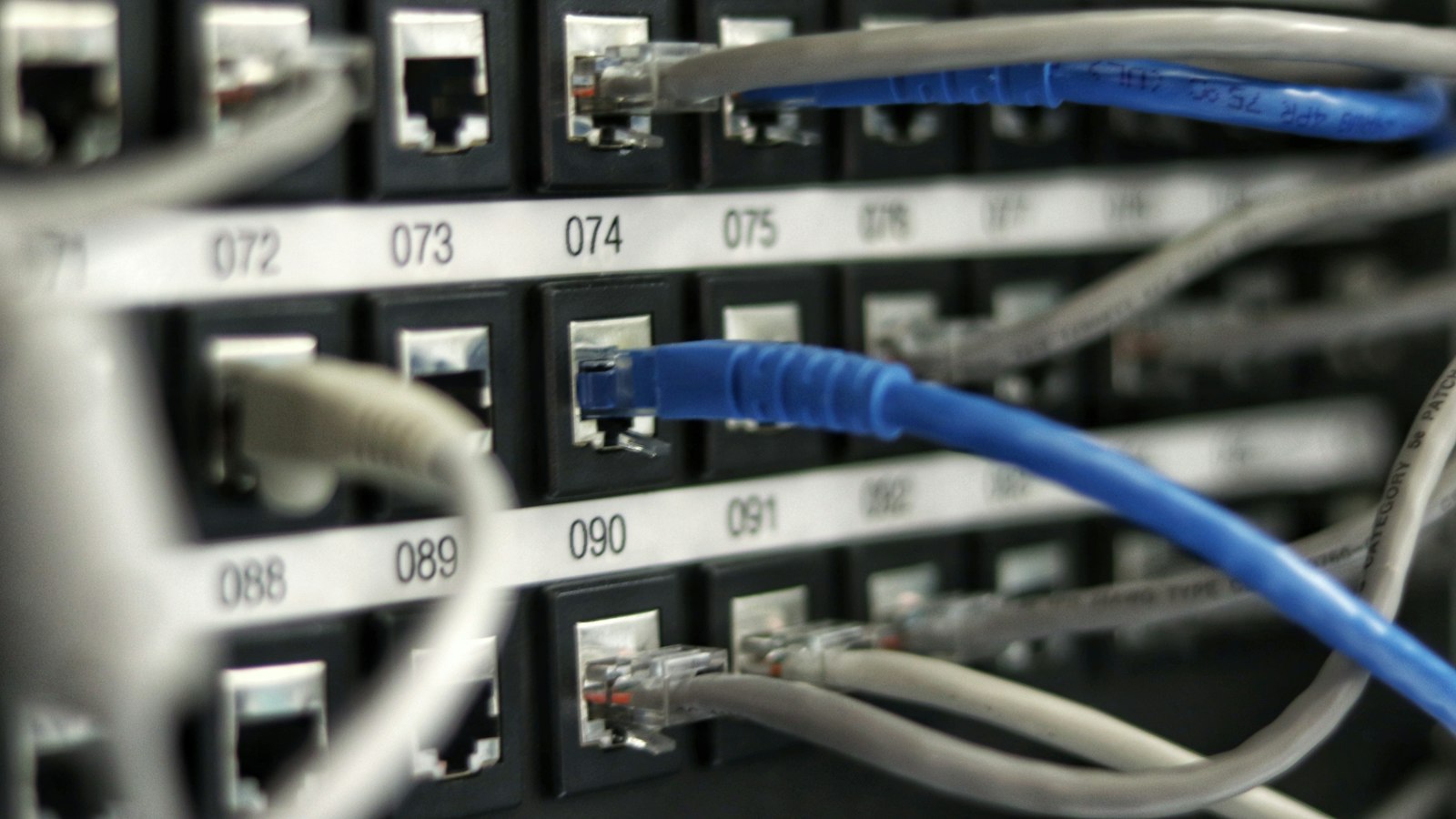
Structured cabling provides the foundation for communication and networking systems. It connects computers, servers, switches, wireless access points, and other network devices.
Professional structured cabling services may include:
- Cat5e and Cat6 cabling
- Cat6A network infrastructure
- Fiber optic cabling
- Patch panel installation
- Network rack organization
- Cable labeling and testing
- Data outlet installation
Proper cable installation helps maintain organized connectivity and supports efficient network management.
CCTV and Security Camera Installation
Surveillance systems help commercial properties monitor entrances, parking areas, reception spaces, storage rooms, and other important locations.
A professional contractor can help determine suitable camera positions, cable routes, recording equipment, and network connectivity.
Modern IP camera systems can provide remote monitoring capabilities, depending on the selected equipment and configuration.
Access Control Systems
Access control technology helps businesses manage who can enter specific areas of a building.
Common access control solutions include:
- Keycard access systems
- Keypad entry systems
- Electronic door locks
- Biometric access devices
- Video intercom systems
- Door access management software
These systems can improve building security while providing convenient entry management for authorized employees and visitors.
Fiber Optic Installation
Fiber optic technology uses light to transmit information over optical fibers. It is commonly used for high-speed data communication, backbone connectivity, and longer-distance network connections.
Businesses with demanding networking requirements may benefit from professionally installed fiber infrastructure.
Installation can include fiber routing, termination, splicing, connector installation, and testing.
Audio and Video Systems
Commercial audio and video systems support presentations, meetings, announcements, digital communication, and entertainment.
Depending on business requirements, installations may include:
- Conference room AV systems
- Commercial display screens
- Video conferencing equipment
- Distributed audio systems
- Public address systems
- Digital signage connectivity
Proper system integration helps employees and visitors use these technologies more conveniently.
How to Choose a Licensed Low Voltage Contractor in Southern California
Selecting the right installation provider is an important decision for any commercial property owner or business manager.
When searching for a licensed low voltage contractor Southern California, businesses should evaluate several important factors rather than choosing a provider based only on price.
1. Check Licensing and Insurance
Before starting a project, verify that the contractor holds the appropriate California license for the specific work being performed, where required.
Businesses should also ask about insurance coverage, including general liability and workers’ compensation where applicable.
California contractor licensing requirements depend on the nature and scope of the work. Not every low voltage project falls under the same licensing classification.
2. Review Commercial Project Experience
Commercial installations can involve larger buildings, multiple floors, complicated cable pathways, and different technology systems.
Ask whether the contractor has experience with projects similar to your property.
3. Understand the Scope of Work
A professional contractor should explain the proposed installation clearly.
The project scope should identify:
- Required equipment and materials
- Installation locations
- Cable routing requirements
- Testing procedures
- Project timelines
- Expected deliverables
A detailed scope helps avoid misunderstandings during installation.
4. Ask About Testing and Documentation
Testing is important because an installation may look complete while still having connectivity or performance issues.
Ask whether the contractor provides cable testing results, labeling, equipment documentation, and system handover information.
5. Consider Maintenance and Support
Low voltage systems require occasional troubleshooting, upgrades, and maintenance.
Choosing a provider that can explain available support services helps businesses plan for long-term infrastructure management.
What Makes a Professional Low Voltage Installation Company Different?
A reliable low voltage installation company Southern California businesses choose should focus on more than simply connecting cables and mounting equipment.
Professional installation involves understanding the property’s layout, technology requirements, safety considerations, and future operational needs.
Important qualities include:
Proper Project Planning: Every installation should begin with an assessment of the building and the customer’s requirements.
Quality Materials: Suitable cables, connectors, racks, and networking components contribute to system reliability.
Organized Cable Management: Clearly labeled and properly routed cables make future maintenance easier.
System Testing: Testing verifies whether installed components and connections operate as expected.
Communication: Clear updates help property managers and business owners understand project progress.
Scalable Solutions: Infrastructure should accommodate potential technology upgrades and business expansion.
These qualities help distinguish a professional installation provider from a contractor who focuses only on completing basic installation tasks.
Low Voltage Installation for Different Commercial Industries
Different industries require different types of low voltage infrastructure. A knowledgeable low voltage systems contractor Southern California businesses work with should understand these varying requirements.
Corporate Offices
Office environments need reliable networking, conference room connectivity, access control, surveillance cameras, and communication systems.
Structured cabling helps connect computers, printers, servers, and wireless access points throughout the workspace.
Retail Stores
Retail properties commonly use surveillance systems, point-of-sale connectivity, digital signage, wireless networking, and access management.
Proper installation helps support customer service, employee operations, and property security.
Warehouses and Industrial Facilities
Warehouses may require extensive network coverage, CCTV surveillance, access control, communication systems, and fiber optic connections.
Installation planning should consider building size, ceiling height, equipment placement, and environmental conditions.
Educational Institutions
Schools and educational facilities depend on network infrastructure, classroom audio and video equipment, surveillance systems, and controlled access.
A well-planned installation helps support digital learning and daily campus operations.
Healthcare Facilities
Healthcare properties use communication infrastructure, access control, surveillance, and network connectivity to support administrative and operational requirements.
Installations must account for the property’s applicable safety, privacy, and regulatory requirements.
Hotels and Hospitality Businesses
Hotels may require guest Wi-Fi, surveillance, access control, digital signage, intercoms, and distributed audio systems.
Integrated infrastructure can help improve guest experiences and simplify facility management.
Why Choose Skyteco for Low Voltage Solutions?
When businesses search for a low voltage contractor Southern California, they want an installation partner who understands the importance of reliable infrastructure, organized workmanship, and suitable technology solutions.
Skyteco focuses on the importance of planning and implementing low voltage infrastructure according to individual project requirements.
Businesses evaluating Skyteco can consider the following service priorities:
- Understanding commercial technology requirements
- Planning suitable cabling and connectivity infrastructure
- Supporting security and communication system requirements
- Maintaining organized cable installations
- Considering future technology expansion
- Prioritizing installation quality and system testing
Whether a project involves a new commercial property, an office renovation, or an infrastructure upgrade, selecting the right installation approach is important.
Skyteco aims to help businesses understand their low voltage requirements and identify solutions that align with their operational goals.
For businesses comparing a commercial low voltage contractor Southern California provider, discussing the project scope, installation requirements, equipment options, and support expectations is a useful first step.
Common Signs Your Business Needs Low Voltage Installation or Upgrades
Older or poorly maintained infrastructure can create problems that affect daily business operations.
Consider evaluating your existing systems if you experience:
- Frequent network connectivity interruptions.
- Disorganized cables and network racks.
- Poor Wi-Fi coverage in certain areas.
- Outdated surveillance equipment.
- Difficulties managing employee access.
- Insufficient network connections for new devices.
- Poor audio or video quality in conference rooms.
- Limited infrastructure for business expansion.
A professional low voltage installation Southern California assessment can help identify existing infrastructure issues and determine which upgrades may be beneficial.
Not every problem requires a complete replacement. Sometimes, targeted improvements such as additional network outlets, better cable organization, or updated equipment can address specific requirements.
Understanding the Low Voltage Installation Process
A structured installation process helps ensure that commercial technology infrastructure is planned and implemented properly.
Step 1: Initial Consultation
The contractor discusses the property’s layout, business requirements, existing equipment, and project objectives.
Step 2: Site Assessment
The installation team evaluates cable pathways, equipment locations, network requirements, and potential installation challenges.
Step 3: System Planning
A suitable installation plan is developed based on the building’s requirements and the selected technology.
Step 4: Installation
Cabling, equipment, connectors, racks, cameras, and other required components are installed according to the project scope.
Step 5: Testing and Verification
The installed infrastructure is tested to verify connectivity and functionality.
Step 6: Final Handover
The contractor provides relevant documentation and explains the installed systems and their operation.
Following these steps helps businesses establish an organized and dependable low voltage infrastructure.
Frequently Asked Questions (FAQs)
1. What does a low voltage contractor do in Southern California?
A low voltage contractor installs and maintains systems such as structured cabling, fiber optics, CCTV cameras, access control, intercoms, networking, and commercial audio-video infrastructure.
2. How do I find a commercial low voltage contractor in Southern California?
Look for a contractor with relevant commercial project experience, appropriate licensing for the work, insurance, clear project documentation, and suitable installation capabilities.
3. What services does a low voltage installation company provide?
A low voltage installation company may provide structured cabling, network infrastructure, fiber optic installation, security camera systems, access control, audio-video installations, and communication solutions.
4. Do I need a licensed low voltage contractor in California?
Licensing requirements depend on the type and scope of work. Certain contractor activities require an appropriate California Contractors State License Board license. Businesses should verify the contractor’s classification and current licensing status before hiring.
5. What is included in commercial low voltage installation?
Commercial low voltage installation may include network cabling, patch panels, fiber optic infrastructure, surveillance cameras, access control, communication systems, and audio-video equipment.
6. How much does low voltage installation cost in Southern California?
Pricing depends on project size, cable length, equipment selection, installation complexity, building layout, and labor requirements. A site assessment and detailed quotation provide a more accurate estimate.
7. Can low voltage systems be upgraded in existing commercial buildings?
Yes. Existing buildings can often accommodate additional cabling, upgraded network equipment, modern surveillance systems, and access control improvements. The existing infrastructure should be evaluated before planning upgrades.
8. Why should I hire a professional low voltage systems contractor?
Professional installation helps ensure appropriate system planning, organized cabling, suitable equipment placement, proper testing, and infrastructure that supports business requirements.