
Low Voltage Contractor Irvine: Complete Guide to Professional Low Voltage Installation Services
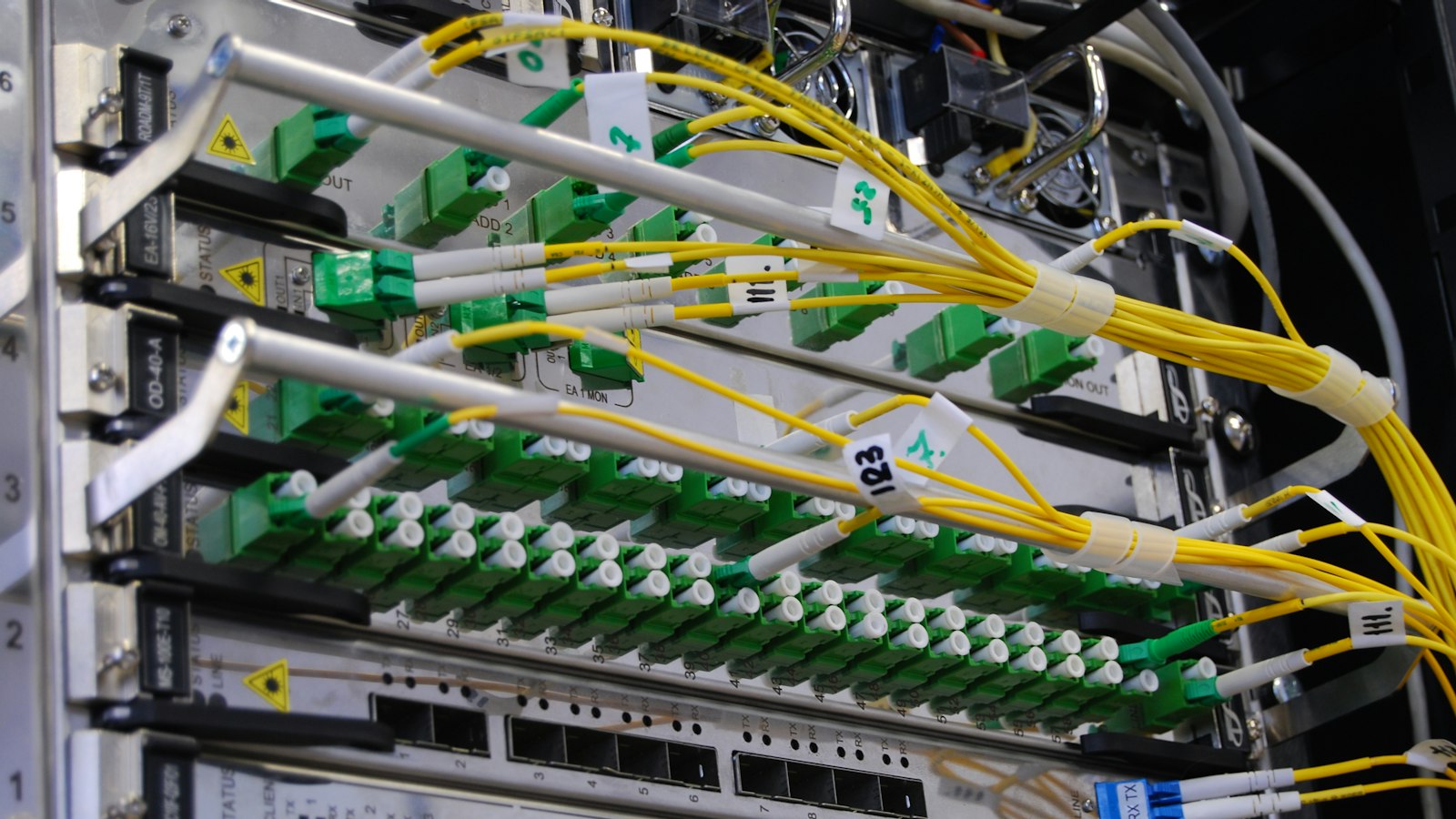
Modern homes and commercial properties depend on reliable electrical, communication, and networking systems. From high-speed internet and security cameras to access control and structured cabling, low voltage infrastructure plays an important role in keeping buildings connected, secure, and efficient. Whether you own a residential property, manage an office, or operate a commercial facility, choosing the right Low Voltage Contractor Irvine can help ensure that your technology systems work smoothly.
Skyteco understands the importance of properly planned and professionally installed low voltage systems. Businesses and property owners need dependable wiring infrastructure that supports their current technology requirements while allowing room for future upgrades.
A professional contractor can help with network cabling, communication systems, security installations, audio-visual connections, and other low voltage requirements. With the right planning and installation approach, property owners can improve connectivity, organization, and overall system performance.
What Is a Low Voltage Contractor?
A low voltage contractor specializes in installing, maintaining, and managing electrical systems that operate at relatively low voltage levels. These systems generally support communication, networking, security, automation, and audio-visual technologies.
Unlike traditional electrical contractors who primarily handle power distribution, low voltage professionals focus on the infrastructure that allows different electronic devices and communication systems to operate together.
A qualified Low Voltage Contractor Irvine can help install and organize various systems, including:
- Structured network cabling
- Ethernet and data wiring
- CCTV and security camera systems
- Access control systems
- Telephone and communication wiring
- Audio-visual installations
- Intercom systems
- Fiber optic cabling
- Smart building technology
- Commercial network infrastructure
These installations are important for residential buildings, offices, retail stores, educational institutions, healthcare facilities, and industrial properties.
Why Do You Need a Professional Low Voltage Contractor in Irvine?
Irvine is a growing business and residential location in Orange County, California. Modern properties increasingly depend on advanced communication, networking, and security infrastructure.
Installing low voltage systems requires technical knowledge, proper equipment, and careful planning. Incorrect cable installation, poor connections, and improper equipment placement can create connectivity issues and affect system performance.
Working with a professional Low Voltage Contractor Irvine offers several advantages.
1. Reliable Network Connectivity
A properly installed network infrastructure supports stable internet connectivity and efficient communication between connected devices.
Businesses that depend on cloud applications, video conferencing, digital communication, and online operations need organized network cabling.
2. Better Security Infrastructure
Security cameras, access control systems, and monitoring equipment help property owners manage building security.
Professional installation ensures that devices are positioned correctly and connected to the required network or recording infrastructure.
3. Organized Cable Management
Unorganized cables can make troubleshooting and maintenance difficult. Professional contractors plan cable routes, label connections, and organize wiring to create a cleaner installation.
4. Future Technology Upgrades
Technology requirements change over time. A properly designed low voltage infrastructure can make it easier to add new cameras, access points, communication devices, and networking equipment.
5. Reduced Installation Problems
Professional planning and testing help identify wiring and connectivity problems before systems become operational.
Low Voltage Installation Services Offered by Skyteco
Choosing the right contractor involves understanding the services required for your property. Skyteco focuses on the importance of reliable low voltage infrastructure for modern technology environments.
Here are some common services property owners and businesses may require.
Structured Cabling Installation
Structured cabling provides an organized infrastructure for voice, data, and communication systems.
It connects different devices and network equipment through a planned cabling system. This makes it easier to manage network connections and expand the infrastructure when required.
A professional Low Voltage Contractor Irvine can help plan structured cabling layouts according to the property’s size, building design, and connectivity requirements.
Structured cabling is commonly used in:
- Corporate offices
- Commercial buildings
- Retail environments
- Educational facilities
- Healthcare properties
- Residential buildings
Network and Ethernet Cabling
Reliable internet connectivity is essential for modern homes and businesses.
Ethernet cabling provides wired connections between routers, switches, computers, wireless access points, and other network devices.
Professional network cabling installation can help businesses establish an organized network infrastructure that supports their daily operations.
Depending on the project requirements, installations may include Cat5e, Cat6, Cat6A, or other suitable cable types.
Security Camera Installation
Security cameras help businesses and homeowners monitor important areas of their properties.
A professionally designed camera system can provide coverage for entrances, hallways, parking areas, reception spaces, and other important locations.
Low voltage contractors may assist with:
- Camera wiring
- Network video recorder connections
- Power over Ethernet (PoE) infrastructure
- Camera positioning
- Network connectivity
- System testing
Businesses looking for a Low Voltage Contractor Irvine should consider contractors who understand both camera installation and the networking infrastructure required to support modern security systems.
Access Control System Installation
Access control systems help property managers regulate who can enter specific areas of a building.
These systems are commonly installed in offices, commercial properties, warehouses, and restricted-access facilities.
Common access control technologies include:
- Keycard entry systems
- Keypad access
- Electronic door locks
- Biometric access systems
- Door controllers
- Entry management systems
Professional installation helps ensure that access control devices communicate correctly with the building’s security infrastructure.
Fiber Optic Cabling Solutions
Fiber optic cables transmit information through light signals and are widely used for high-speed data communication.
They are suitable for environments that require high bandwidth, long-distance communication, and reliable network connectivity.
Fiber optic installations can support:
- Large office networks
- Commercial buildings
- Data communication infrastructure
- Network backbone connections
- Multi-building connectivity
A knowledgeable low voltage contractor can help determine whether fiber optic cabling is suitable for a particular project.
Audio-Visual Installation
Audio-visual systems are important for conference rooms, classrooms, meeting spaces, entertainment areas, and commercial environments.
These systems may include displays, projectors, speakers, microphones, control panels, and related connectivity infrastructure.
Professional installation helps ensure that all components are properly connected and positioned for convenient operation.
How to Choose the Best Low Voltage Contractor in Irvine
Selecting a contractor is an important decision because low voltage infrastructure supports multiple technology systems.
Before hiring a Low Voltage Contractor Irvine, consider the following factors.
1. Check Industry Experience
Look for contractors who understand structured cabling, network installation, security systems, and communication infrastructure.
Relevant project experience can help determine whether a contractor is suitable for your requirements.
2. Understand the Services Offered
Not every contractor provides the same services. Some specialize in networking, while others focus on surveillance, access control, or commercial cabling.
Choose a provider whose capabilities match your project.
3. Verify Licensing and Insurance
Check applicable California licensing requirements for the proposed work. Confirm that the contractor holds the required credentials and appropriate insurance.
Certain low voltage installations may fall under specific licensing classifications or regulatory requirements.
4. Ask About Cable Quality
Cable quality affects installation reliability and long-term performance.
Ask which cable categories, connectors, patch panels, and installation materials will be used.
5. Review Project Planning
A professional contractor should understand your building layout, equipment requirements, cable routes, and future expansion plans before starting installation.
6. Request Testing and Documentation
Testing helps confirm that installed cables and connections perform as expected.
Ask whether the contractor provides cable testing, labeling, installation documentation, and maintenance recommendations.
Benefits of Low Voltage Systems for Commercial Properties
Commercial properties require dependable technology infrastructure to support employees, customers, communication, and daily operations.
Working with an experienced Low Voltage Contractor Irvine can help businesses establish systems that support their operational needs.
Improved Workplace Productivity
Reliable internet and communication systems help employees collaborate, access business applications, and communicate with customers.
Better Building Security
Security cameras and access control systems help organizations monitor their premises and manage entry permissions.
Flexible Network Expansion
Businesses may need additional computers, wireless access points, cameras, and communication devices as they grow.
Organized cabling makes future expansion easier.
Efficient Technology Management
A properly designed low voltage infrastructure reduces cable confusion and makes troubleshooting more manageable.
Support for Smart Building Technology
Modern commercial buildings increasingly use connected devices for lighting control, monitoring, communication, and automation.
Low voltage infrastructure helps connect these technologies.
Residential Low Voltage Installation in Irvine
Low voltage systems are not limited to commercial properties. Modern homes also depend on reliable communication, networking, entertainment, and security installations.
Homeowners may require professional assistance with:
- Home network cabling
- Wi-Fi access point wiring
- Security camera installation
- Smart home connectivity
- Home theater wiring
- Intercom systems
- Doorbell camera connections
- Telephone and data wiring
A professional contractor can assess the home’s layout and recommend suitable cable routes and equipment locations.
For example, installing wired network connections in home offices can support stable connectivity for remote working, online meetings, and other internet-based activities.
Understanding the Low Voltage Installation Process
Knowing how a project works can help property owners prepare for installation.
A typical installation project involves several important stages.
Step 1: Initial Consultation
The contractor discusses the property’s requirements, existing infrastructure, and planned technology systems.
Step 2: Site Assessment
The installation team evaluates the building layout, equipment locations, cable pathways, and connectivity requirements.
Step 3: System Design
A suitable installation plan is prepared based on the property’s current and future requirements.
Step 4: Cable Installation
Required cables are installed through approved pathways, conduits, ceilings, walls, or other suitable routes.
Step 5: Equipment Connection
Network devices, cameras, access control equipment, and other systems are connected according to the project specifications.
Step 6: Testing and Inspection
Connections are tested to identify installation problems and verify system performance.
Step 7: Final Handover
The completed installation is documented, and the property owner receives relevant system information.
How Much Does a Low Voltage Contractor Cost in Irvine?
The cost of hiring a low voltage contractor in Irvine depends on several project-specific factors.
There is no single price that applies to every installation because residential and commercial projects have different requirements.
Some factors that influence installation costs include:
- Property size and layout
- Total cable length
- Type and category of cabling
- Number of network connections
- Security camera quantity
- Access control requirements
- Equipment and material costs
- Installation complexity
- Existing infrastructure
- Testing and documentation requirements
For an accurate estimate, property owners should request a detailed project assessment and written quotation.
It is also helpful to compare quotations based on materials, installation scope, testing, warranties, and included services rather than selecting a contractor based only on the lowest price.
Why Choose Skyteco for Low Voltage Solutions?
Choosing a suitable technology installation partner is important for establishing dependable infrastructure.
Skyteco focuses on the importance of organized installation, reliable connectivity, and technology solutions that support modern property requirements.
When evaluating Skyteco for your project, discuss your specific requirements, including network cabling, communication systems, security infrastructure, and future expansion plans.
Here are some important qualities to look for when working with a low voltage service provider:
- Clear project communication
- Proper installation planning
- Suitable cable and equipment selection
- Organized cable management
- Attention to installation details
- System testing and verification
- Support for future infrastructure requirements
Whether you are planning a new installation or upgrading existing infrastructure, selecting the right Low Voltage Contractor Irvine can help you make informed decisions about your property’s technology requirements.
Contact Skyteco to discuss your project requirements and explore suitable low voltage installation options.
Frequently Asked Questions (FAQs)
1. What does a low voltage contractor do?
A low voltage contractor installs and maintains systems used for networking, communication, security, audio-visual equipment, and building technology. These systems typically operate at lower voltages than standard electrical power distribution systems.
2. Why should I hire a low voltage contractor in Irvine?
Hiring a professional contractor can help ensure that your network cabling, security cameras, access control systems, and communication infrastructure are properly planned, installed, and tested.
3. What services does a low voltage contractor provide?
Common services include structured cabling, Ethernet installation, fiber optic wiring, CCTV installation, access control, intercom systems, and audio-visual connectivity.
4. Is low voltage wiring suitable for commercial buildings?
Yes. Low voltage wiring is widely used in commercial buildings for internet connectivity, communication networks, surveillance systems, access control, and other technology applications.
5. How long does a low voltage installation take?
The installation timeline depends on the project size, building layout, cable requirements, equipment quantity, and installation complexity. Smaller projects may take a few hours, while larger commercial installations may require several days or longer.
6. Can a low voltage contractor install security cameras?
Yes. Low voltage contractors may install security camera wiring, PoE connections, network video recorders, and related infrastructure, depending on their service capabilities and licensing.
7. What should I check before hiring a low voltage contractor?
Check the contractor’s experience, applicable licenses, insurance, service capabilities, material quality, project estimates, testing procedures, and customer reviews.
8. Can low voltage systems be upgraded in the future?
Yes. Properly planned infrastructure can support future upgrades, including additional network connections, security cameras, access points, and communication devices.
9. What is the difference between structured cabling and regular wiring?
Structured cabling is an organized cabling infrastructure designed to support multiple communication and networking systems. Regular wiring may refer to individual cable installations without the same centralized structure.
10. How can I get started with Skyteco?
You can contact Skyteco to discuss your property, installation requirements, and preferred technology solutions. A project assessment can help determine the appropriate installation approach.