
Structured Wiring Installation Southern California: Professional Cabling Solutions for Modern Businesses
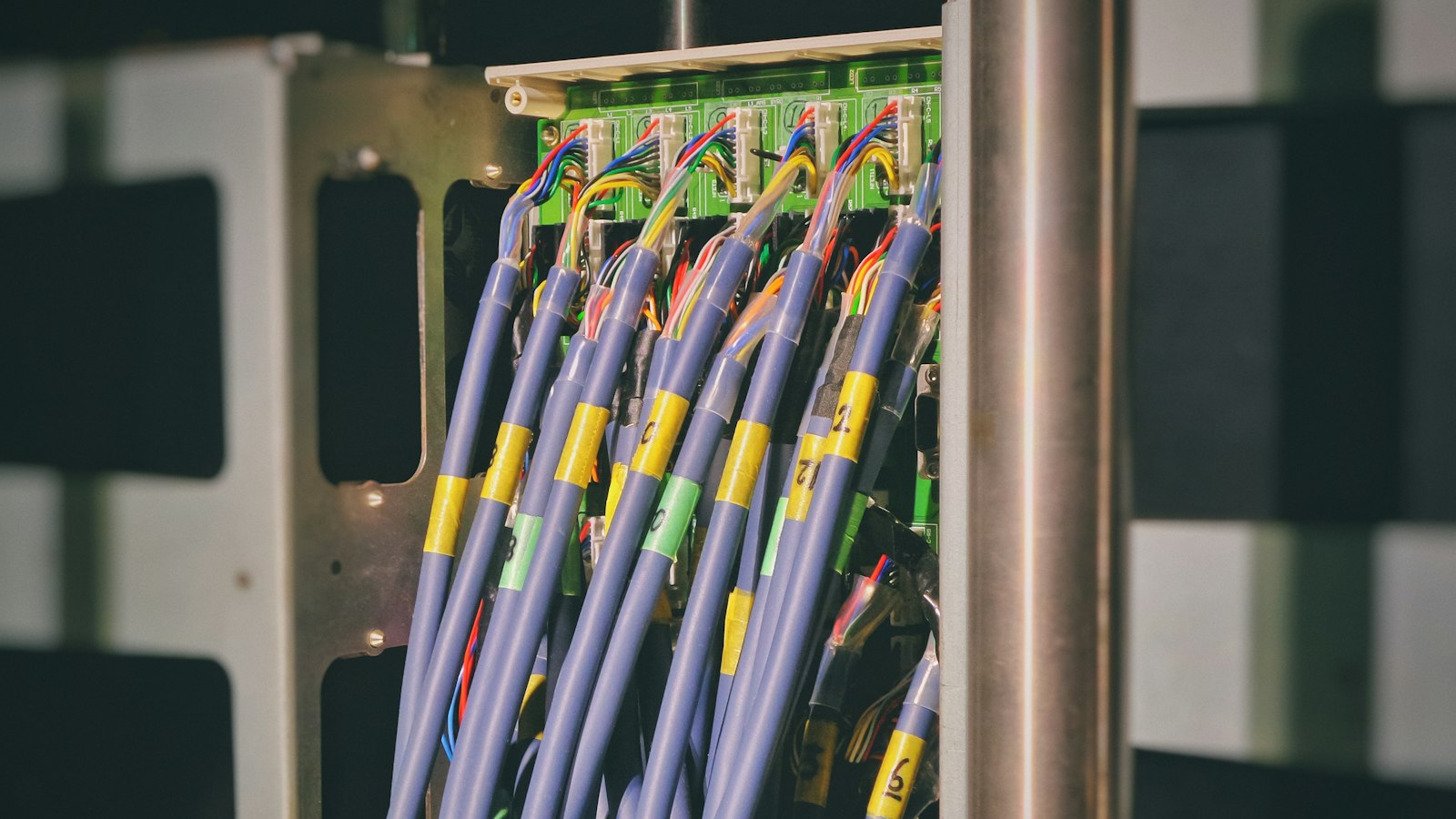
Modern businesses depend on reliable communication, fast internet connectivity, secure networks, and efficient technology infrastructure. Whether you operate an office, retail store, warehouse, healthcare facility, educational institution, or commercial building, having a properly designed wiring system is essential for smooth daily operations. A well-organized network infrastructure helps businesses connect computers, servers, security cameras, wireless access points, telephones, and other essential devices.
This is where professional structured wiring installation Southern California services become important. Structured wiring provides an organized and scalable foundation for all your communication and networking requirements. Instead of managing multiple disconnected cables, businesses can use a centralized cabling system that supports different technologies and improves overall network performance.
Skyteco understands the importance of dependable connectivity for modern commercial environments. With professional installation planning and structured cabling solutions, businesses can establish an organized infrastructure that supports their current technology requirements while allowing room for future expansion.
What Is Structured Wiring Installation?
Structured wiring installation is the process of designing and installing an organized cabling infrastructure that connects different communication and networking devices within a building. It creates a centralized system through which data, voice, video, and other communication signals can travel efficiently.
A structured wiring system generally includes:
- Data and Ethernet cabling.
- Fiber optic cables.
- Network patch panels.
- Telecommunications outlets.
- Network racks and cabinets.
- Wireless access point connections.
- Security camera cabling.
- Communication and server room connections.
Professional structured wiring installation Southern California services help businesses establish a reliable foundation for their IT infrastructure. A properly installed system reduces cable confusion, simplifies troubleshooting, and makes future upgrades easier.
For example, when a company expands its office and adds new computers, printers, or wireless access points, an organized structured wiring system makes it easier to connect these devices without completely redesigning the existing network.
Why Businesses Need a Structured Wiring Contractor in Southern California
Choosing an experienced structured wiring contractor Southern California businesses can rely on is important for developing a dependable communication infrastructure.
Commercial properties often require multiple network connections for employees, customers, security systems, conference rooms, and business operations. Poorly installed cables can lead to connectivity problems, network interruptions, maintenance difficulties, and unnecessary expenses.
A professional contractor helps businesses plan their cabling infrastructure according to building layouts, network requirements, and future technology needs.
Some important reasons to hire a professional contractor include:
1. Proper Network Planning
Professional contractors evaluate the building layout and determine the best cable routes, equipment locations, and connection points.
2. Organized Cable Management
Proper cable organization keeps server rooms, network cabinets, and office spaces clean and manageable.
3. Reliable Connectivity
A professionally installed network infrastructure helps maintain stable connections between connected devices.
4. Future Expansion
Businesses can add new workstations, network devices, and communication systems more easily when their cabling infrastructure is designed for scalability.
5. Reduced Maintenance Issues
Correct installation, labeling, and documentation make troubleshooting and maintenance more straightforward.
Working with Skyteco can help commercial businesses approach their structured wiring requirements with a focus on organization, functionality, and long-term infrastructure planning.
Understanding Structured Cabling Installation in Southern California
Structured cabling is an organized telecommunications infrastructure that supports different types of communication systems through standardized cabling components.
Professional structured cabling installation Southern California services are useful for commercial buildings that need dependable data transmission and communication connections.
A structured cabling system commonly includes six main components:
1. Entrance Facility
The entrance facility is the point where external communication services enter a building. It connects the building’s internal network infrastructure with outside service providers.
2. Equipment Room
This area contains important networking equipment, including servers, switches, routers, and other communication hardware.
3. Backbone Cabling
Backbone cabling connects telecommunications rooms, equipment rooms, and other important network locations within a building or campus.
4. Horizontal Cabling
Horizontal cabling connects telecommunications rooms to individual work areas, network outlets, and connected devices.
5. Telecommunications Room
This room contains network connections, patch panels, and other equipment used to distribute communication services throughout a building.
6. Work Area Components
Work area components include outlets, connectors, patch cords, and other connection points that allow employees to access the network.
A properly designed system makes network management easier and supports the communication requirements of different commercial environments.
What Does a Structured Cabling Contractor Do?
A professional structured cabling contractor Southern California businesses hire is responsible for planning, installing, organizing, and testing the cabling infrastructure.
The contractor evaluates the property’s technical requirements and develops an installation plan that supports its networking needs.
Typical responsibilities include:
- Evaluating existing network infrastructure.
- Planning cable routes and connection points.
- Installing Ethernet and fiber optic cables.
- Setting up network racks and patch panels.
- Installing communication outlets.
- Organizing and labeling cables.
- Testing cable connections and performance.
- Identifying installation issues.
- Supporting network infrastructure upgrades.
Commercial buildings may have different requirements depending on their size, layout, number of users, and technology systems.
For example, a small office may need Ethernet connections for computers and printers, while a large commercial facility may require fiber backbone connections, wireless access points, surveillance cameras, and multiple telecommunications rooms.
Choosing the right contractor helps ensure that the infrastructure is planned according to the property’s actual requirements.
Benefits of Hiring a Professional Structured Wiring Installer in Southern California
A reliable structured wiring installer Southern California businesses choose should understand how to create an organized and dependable network infrastructure.
Professional installation offers several advantages for commercial properties.
Better Network Organization
A structured wiring system keeps different cables and network connections properly arranged. This makes it easier for IT teams to identify individual connections and manage network equipment.
Improved Business Productivity
Employees depend on internet access, communication tools, cloud applications, and shared resources. A properly installed cabling infrastructure supports reliable connectivity for everyday business activities.
Easy Troubleshooting
When cables are correctly labeled and documented, identifying connection problems becomes easier. This can reduce the time required for maintenance and repairs.
Scalability for Growing Businesses
As businesses grow, they often need additional computers, access points, servers, and communication equipment. Structured wiring provides a flexible foundation for these changes.
Better Space Management
Organized network cabinets and cable pathways help reduce clutter in office spaces, server rooms, and equipment areas.
Long-Term Infrastructure Value
A well-planned cabling system can support multiple generations of network equipment, depending on cable category, installation quality, and performance requirements.
Commercial Structured Cabling Southern California: Solutions for Different Industries
Businesses across different industries require dependable communication and networking infrastructure. Commercial structured cabling Southern California services help organizations establish connectivity systems that support their daily operations.
Here are some common commercial applications.
Office Buildings
Modern offices require network connections for computers, printers, conference rooms, wireless access points, and communication systems.
Structured cabling helps create an organized office network that supports employee productivity and business communication.
Retail Stores
Retail businesses use network connectivity for payment terminals, inventory systems, digital displays, security cameras, and customer Wi-Fi.
A professionally designed cabling system helps connect these devices efficiently.
Warehouses and Industrial Facilities
Warehouses often require network connections for inventory management systems, wireless access points, surveillance equipment, and operational technology.
Proper cabling planning helps support communication across large commercial spaces.
Healthcare Facilities
Healthcare environments depend on reliable network infrastructure for administrative systems, communication devices, and other connected equipment.
Structured cabling can help organize the connectivity requirements of different departments.
Educational Institutions
Schools, colleges, and training centers require network connections for computer laboratories, classrooms, administrative offices, security systems, and wireless internet access.
Structured cabling provides a foundation for connecting these systems.
Hotels and Hospitality Businesses
Hotels need connectivity for guest Wi-Fi, reception systems, security cameras, office computers, and entertainment infrastructure.
An organized network makes it easier to manage multiple connected services.
Types of Cables Used in Structured Cabling Installation
Selecting the right cable type is an important part of professional structured cabling installation. Different cables serve different purposes depending on network speed, distance, bandwidth, and environmental conditions.
Cat5e Ethernet Cable
Cat5e cables support Gigabit Ethernet and are commonly used for standard office networking requirements.
Cat6 Ethernet Cable
Cat6 cables provide improved performance and are suitable for many modern commercial networking applications.
Cat6a Ethernet Cable
Cat6a cables support 10 Gigabit Ethernet over appropriate installation distances and are useful for businesses with higher bandwidth requirements.
Fiber Optic Cable
Fiber optic cables transmit information using light signals. They are commonly used for backbone connections, longer distances, and high-bandwidth networking requirements.
Coaxial Cable
Coaxial cables are used in certain video, telecommunications, and specialized signal distribution applications.
The appropriate cable depends on the building’s requirements, network design, equipment compatibility, and future expansion plans.
Our Structured Wiring Installation Process
A successful cabling project requires proper planning, professional installation, and thorough testing. Skyteco recognizes the importance of following an organized approach to commercial wiring projects.
Here are the major steps involved in a typical structured wiring project.
Step 1: Site Assessment
The first step involves evaluating the commercial property, existing wiring infrastructure, equipment locations, and connectivity requirements.
Step 2: Network Design and Planning
Based on the site assessment, a cabling layout is prepared. This includes determining cable routes, network outlet locations, telecommunications rooms, and equipment placement.
Step 3: Cable Selection
Suitable cables are selected according to network performance requirements, installation conditions, and the building’s infrastructure.
Step 4: Professional Cable Installation
The installation process involves routing cables through appropriate pathways, connecting network outlets, and setting up the necessary infrastructure.
Step 5: Cable Management and Labeling
Cables are organized and labeled to simplify identification, troubleshooting, and future maintenance.
Step 6: Testing and Inspection
Installed connections are tested to verify that they meet the applicable performance requirements. Testing methods depend on the cable type and project specifications.
Step 7: Documentation and Handover
Installation documentation helps businesses understand their network layout, cable routes, and connection points for future reference.
How to Choose the Right Structured Wiring Contractor in Southern California
Selecting the right contractor is an important decision because your cabling infrastructure supports essential business operations.
Before hiring a structured wiring contractor Southern California, consider the following factors.
Experience with Commercial Projects: Look for a contractor familiar with office buildings, retail spaces, warehouses, and other commercial environments.
Knowledge of Cabling Standards: A professional installer should understand relevant industry standards and installation practices, including applicable TIA and BICSI guidance.
Quality of Materials: Ask about cable categories, connectors, patch panels, and other materials used during installation.
Testing and Documentation: Confirm whether the contractor provides cable testing results, labeling, and installation documentation.
Scalable Solutions: Choose an installation approach that can accommodate future network expansion.
Clear Project Communication: Proper communication about timelines, installation requirements, and project expectations helps avoid unnecessary delays.
Skyteco focuses on the importance of organized cabling infrastructure and practical connectivity solutions for commercial environments.
Common Structured Wiring Installation Mistakes to Avoid
Improper installation can create long-term problems for businesses. Understanding common mistakes can help property owners make better infrastructure decisions.
Some mistakes include:
- Using unsuitable cable categories for network requirements.
- Ignoring future expansion needs.
- Installing cables without proper labeling.
- Poor cable management inside network cabinets.
- Routing cables without considering electrical interference.
- Ignoring bend radius and cable pulling requirements.
- Skipping cable testing and inspection.
- Failing to maintain installation documentation.
Working with a qualified structured wiring installer Southern California businesses trust can help reduce these risks and support a more reliable network infrastructure.
Why Choose Skyteco for Structured Wiring Solutions?
Choosing the right service provider can make a significant difference in the quality and functionality of your commercial network infrastructure.
Skyteco understands that every commercial property has different connectivity requirements. A properly planned structured wiring system should support current business operations while providing flexibility for future technology upgrades.
When evaluating structured wiring solutions, businesses should prioritize:
- Organized and professionally planned cabling infrastructure.
- Suitable Ethernet and fiber optic cable selection.
- Efficient cable routing and management.
- Proper network connection planning.
- Testing and installation quality.
- Infrastructure designed with future expansion in mind.
Whether you are developing a new commercial property, upgrading an existing office network, or planning a larger connectivity project, selecting an appropriate structured cabling solution is an important investment.
Skyteco aims to help businesses establish a dependable foundation for their networking and communication requirements.
Frequently Asked Questions (FAQs)
1. What is structured wiring installation?
Structured wiring installation involves designing and installing an organized cabling infrastructure that connects computers, servers, communication systems, wireless access points, and other network devices within a building.
2. Why should businesses hire a structured wiring contractor in Southern California?
Businesses should hire a professional contractor to ensure proper network planning, organized cable installation, suitable material selection, reliable connections, and easier future maintenance.
3. What is the difference between structured wiring and structured cabling?
Structured wiring is a broader term commonly used for organized communication wiring within a building. Structured cabling refers to a standardized infrastructure that supports data, voice, video, and other communication systems.
4. Which cables are commonly used for commercial structured cabling?
Common cable types include Cat5e, Cat6, Cat6a, fiber optic, and coaxial cables. The right option depends on bandwidth, distance, network equipment, and installation requirements.
5. Is structured cabling suitable for small businesses?
Yes. Small businesses can benefit from structured cabling because it provides organized connections, simplifies troubleshooting, and makes future network expansion easier.
6. How long does structured cabling installation take?
The installation timeline depends on building size, cable routes, number of connection points, existing infrastructure, and project complexity. Smaller projects may take less time than large commercial installations.
7. Why is commercial structured cabling important?
Commercial structured cabling provides an organized foundation for business networking, communication, security systems, and connected devices. It also supports easier maintenance and infrastructure upgrades.
8. How do I choose the right structured wiring installer in Southern California?
Look for experience with commercial installations, knowledge of cabling standards, appropriate materials, testing procedures, documentation, and the ability to plan scalable network infrastructure.